
HAMILTON, Ont. – Every research breakthrough starts with a bold idea, and Hamilton Health Sciences (HHS) believes that high-risk, high-reward projects are worth investing in. That’s why the HHS research and innovation department recently launched a “Fail Fast” grant program to support innovative research projects in their earliest stages of development.
“In the research world, ‘Fail Fast’ isn’t about losing or giving up,” said Lauren Gogo, HHS director of research contracts and grants. “Instead, it’s about learning through new approaches and speeding up discovery.”
Fail Fast projects test bold research questions early, and over a short time period, to quickly see what works and what doesn’t. Benefits include identifying projects with the potential to expand and attract new funding opportunities.
Any failures become valuable data points that sharpen the next experiment and bring researchers closer to real breakthroughs. “It’s a unique funding program for a hospital to have,” said Gogo, adding that she’s not aware of another one like it.
This was the first year for the HHS Fail Fast competition, open to all staff and doctors with research roles. Winners each received a grant of up to $25,000 to test new ideas and quickly assess their feasibility. The six winning projects were selected from 19 entries.
“We’re pleased to introduce this annual awards program to support innovative short-term projects, stimulate creativity and encourage our researchers to ask big, impactful questions,” said Dr. Marc Jeschke, HHS vice-president of research and innovation, and chief scientific officer. “These projects could be catalysts for bigger research studies, and we’re excited to see where they might lead.”
About the winning scientists and their projects:
Transforming IBD treatment
In the future, this approach could be used to treat other chronic conditions linked to the gut microbiome, offering safer and more tailored treatment options.
Winning researcher: Dr. Premysl Bercik, gastroenterologist, HHS McMaster University Medical Centre (MUMC), HHS McMaster Children’s Hospital (MCH), and Farncombe Family Digestive Health Research Institute member.
Winning idea: The project, Developing phage cocktails to remediate the IBD microbiome, was recognized for its innovative approach to treat inflammatory bowel disease (IBD). By designing next-generation bacteriophage cocktails – therapeutic mixtures of beneficial viruses that specifically target harmful bacteria driving inflammation – the team aims to overcome the limitations of current bacteriophage therapies and create something that could realistically be used in patient care. This strategy has the potential to reshape IBD care and position Hamilton at the forefront of emerging microbiome-based therapeutics.
IBD, which includes Crohn’s disease and ulcerative colitis, affects over 320,000 Canadians with a societal cost of over $2 billion annually. Given the increasing prevalence, it’s estimated that by 2035, one in every 91 Canadians will suffer from IBD. Current treatments focus mainly on calming the immune system instead of addressing causes.
Traditional antibiotics aren’t ideal for treating these bacteria due to side effects and a lack of precision. Bercik’s proposal includes a team of experts from different fields to more effectively design precise, bacteria-targeting therapies, with this research laying the groundwork for a personalized approach to IBD treatment. This project will establish Canada’s first phage therapy development pipeline for IBD at HHS.
In the future, this approach could be used to treat other chronic conditions linked to the gut microbiome, offering safer and more tailored treatment options.
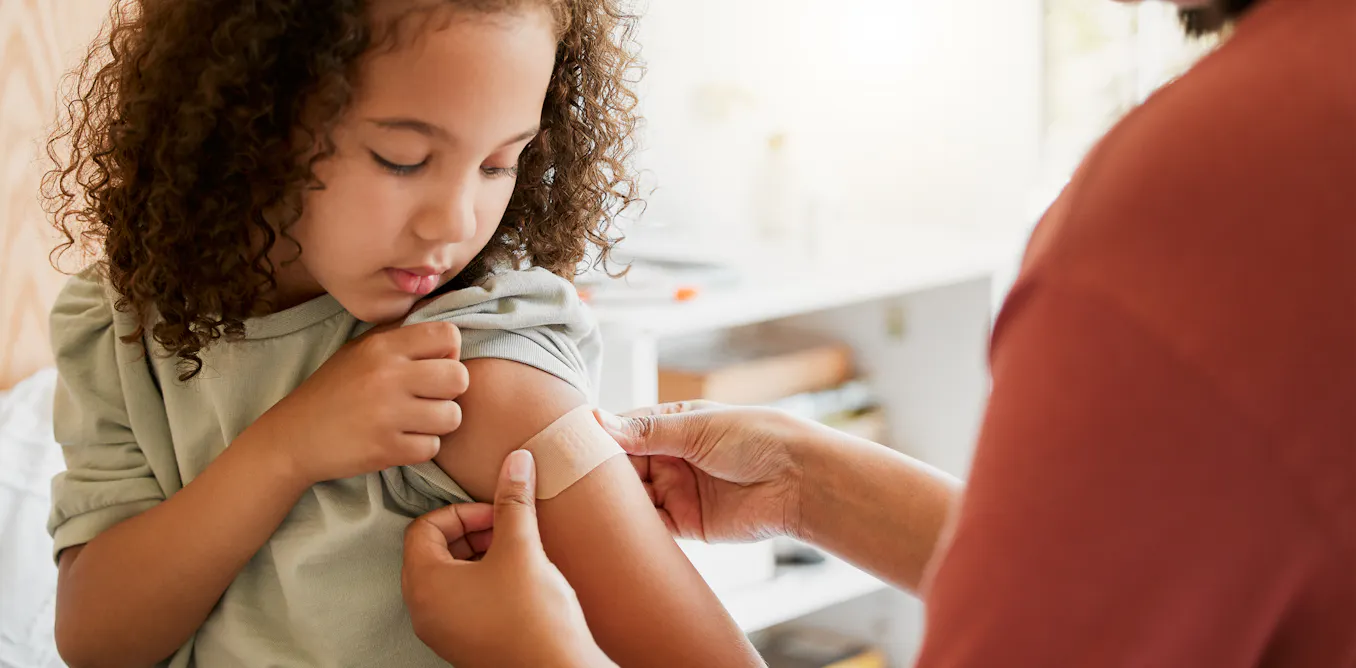
Pharmacists on duty for youth blood-pressure checks
If successful, this study would lay the foundation for a larger trial and contribute to national strategies aimed at advancing cardiovascular health and promoting equitable access to pediatric preventive care across Canada.
Winning researchers: Dr. Rahul Chanchlani (pictured), pediatric kidney specialist, MCH; Dr. Lehana Thebane, vice president of research, St. Joseph’s Healthcare Hamilton (SJHH).
Winning idea: This project, called Enhancing Pediatric Blood Pressure Screening Through Pharmacist-Led Initiatives in Canada, was selected for its out-of-the-box plan to have pharmacists screen adolescents for hypertension. It’s led by an interdisciplinary team with national reach, and represents strong partnerships, modest resource needs and the potential to shift pediatric preventative care delivery. This project also speaks to collaboration, with SJHH as a partner.
High blood pressure, or hypertension, is becoming more common in children and teens, largely due to rising obesity rates and sedentary lifestyles. This condition often goes undiagnosed because many young people don’t have their blood pressure checked regularly.
If left untreated, high blood pressure in children can lead to serious heart and kidney problems later in life. Despite new national guidelines, less than one in four Canadian children is screened for blood pressure during routine doctor visits. Many healthcare providers are unsure how to diagnose hypertension in kids since it requires age, sex, and height-based calculations.
This study is the first to assess the feasibility of involving pharmacists in blood pressure screening for youth. It addresses a critical healthcare gap with the potential to improve screening rates, support timely referrals, and reduce the burden of future disease.
The fail-fast nature lies in the study’s design. For example, if pharmacists can’t feasibly reach or engage adolescents and their families, researchers will learn this quickly and pivot resources accordingly. However, if successful this study would lay the foundation for a larger trial and contribute to national strategies aimed at advancing cardiovascular health and promoting equitable access to pediatric preventive care across Canada.
Fracture pain meets mindfulness
This approach would increase engagement among patients who, if recovering at home, may not try mindfulness for reasons including lack of motivation, skepticism about its effectiveness, or cultural perceptions.
Winning researcher: Jodi Gallant, PhD student and senior research coordinator, HHS Hamilton General Hospital (HGH) department of surgery; Dr. Brad Petrisor, HHS orthopedic surgeon.
Winning idea: This project, called Mindfulness in Fracture Recovery for the Reduction of Opioid Reliance (MIRROR), will evaluate the feasibility of offering fracture patients brief, audio-guided, breathing exercises to manage pain and anxiety before and after surgery which could lead to a reduction in opioid use, a pressing medical crisis. Gallant presented an innovative, low-resource approach with high relevance to orthopedic pain management gaps, including patient advocacy.
After breaking a bone, patients often experience intense pain, anxiety, and uncertainty as they’re rushed to hospital, undergo emergency treatment, and prepare for surgery. Despite successful surgical treatment, many patients continue to struggle with pain and rely on opioid medications, which carry serious risks including addiction.
Given the current opioid epidemic, it’s critical that alternative treatment strategies are urgently evaluated. The focus of this project, mindfulness, has been shown to effectively reduce stress and manage pain in other populations such as chronic pain and joint replacement patients.
This project involves delivering a brief Mindfulness Based Intervention (MBI) while fracture patients are still in hospital. This approach would increase engagement among patients who, if recovering at home, may not try MBI for reasons including lack of motivation, skepticism about its effectiveness, or cultural perceptions. This strategy also eliminates potential barriers they may face once discharged from hospital, such as scheduling conflicts, transportation challenges, and competing daily priorities.
If successful, this project would provide strong evidence for the rapid implementation of a trial aimed at providing clear, reliable evidence on whether MBI works for fracture patients and could be incorporated into their care, potentially complementing or replacing traditional medication approaches to pain management following surgery.
Supporting neurodivergent youth
This pilot could lay the groundwork for larger-scale healthcare community-based research, with the ultimate goal of embedding culturally affirming practices into mainstream care.
Winning researchers: Dr. Sheri Nsamenang, clinical and health psychologist, Extensive Needs Service, MUMC, MCH, Ron Joyce Children’s Health Centre (RJCHC); Dr. Flavia Spiroiu, psychometrist, Extensive Needs Service, MUMC, MCH, RJCHC; Dr. Kassia Johnson, developmental pediatrician, MCH, RJCHC, and HHS senior medical director for Equity, Diversity and Inclusion.
Winning idea: The Crown & Rhythm Wellness for Neurodivergent Youth project was a unique proposal rooted in principles of equity and access. As well as being creative, it explores an under-researched area with opportunities to build greater understanding and ties to the Black community in Hamilton.
A person is neurodivergent if their brain works or processes information differently from most people, such as someone with autism, ADHD, or dyslexia. Many neurodivergent youth, particularly Black and marginalized youth, face daily challenges related to identity, inclusion and self-esteem. Hair-based discrimination, sensory challenges and limited access to inclusive recreational programs can significantly impact their mental health.
This project addresses these issues by offering an eight-week wellness program that blends adaptive hip-hop dance with affirming haircare in a supportive, sensory-aware environment. It offers a unique and innovative model of neurodivergent wellness in collaboration with community, which celebrates culture, creativity, and neurodiversity.
The potential for failure involves the risk that this program may not substantially improve holistic health and knowledge. However, if successful this pilot could lay the groundwork for larger-scale, healthcare community-based research, with the ultimate goal of embedding culturally affirming practices into mainstream care.
Improving pain management
If successful, PG-ANB could support Enhanced Recovery After Surgery protocols, a set of evidence-based practices designed to help patients recover faster and more safely after surgery.
Winning researchers: Dr. Lily Park, resident physician, surgery, at HGH and Juravinski Hospital and Cancer Centre; and Dr. PJ Devereaux, HHS cardiologist, senior scientist at the Population Health Research Institute.
Winning idea: Paragastric Autonomic Neural Blockade (PG-ANB) is a relatively new surgical technique designed to reduce visceral pain – the deep, internal pain after surgery. This PG-ANB project involves injecting a local anesthetic near specific nerves around the stomach to block pain signals during or after abdominal surgery. The goal is to reduce the need for opioids and improve patient recovery.
This project, Intraoperative injection of local anesthesia for PG_ANB in Laparoscopic Gastrointestinal Surgery (INJECT): A Randomized Placebo-Controlled Pilot Trial, was selected for its innovative use of PG-ANB to address poorly managed pain. It’s a simple, low-cost intervention that could easily be used on a larger scale.
After abdominal surgery, many patients experience significant pain and nausea. While there are good techniques to control pain from incisions, there aren’t effective ways to manage deeper, internal pain which is often dull, crampy and hard to treat. This deeper pain can lead to nausea, delayed recovery, and increased reliance on opioid medications, which come with their own risks and side effects.
The Fail Fast grant will help determine whether a larger study is possible and how quickly surgeons can learn the PG-ANB procedure. It will also create a guide for measuring skill and safety when testing new surgical techniques.
By understanding how quickly surgeons learn the procedure, researchers can create a training program to ensure they’re skilled before joining the larger study. This early work will show whether PG-ANB can become a reliable and safe way to manage internal pain during many types of abdominal surgeries.
If successful, PG-ANB could support Enhanced Recovery After Surgery protocols, a set of evidence-based practices designed to help patients recover faster and more safely after surgery. It could also promote earlier discharge and reduce opioid use around the time of surgery, ultimately improving patient outcomes and reducing healthcare costs.
Preserving dignity, promoting health, protecting the environment
This project aligns with two of HHS’ strategic initiatives: improving patient outcomes and increasing environmental sustainability.
Winning researcher: Dr. Myles Sergeant, attending physician, complex continuing care, HHS St. Peter’s Hospital.
Winning idea: The project, called Stepped Incontinence Management for Pressure Injury Prevention and Sustainability in Hospital Care, is an unconventional research project on a unit with older patients who have high-care needs. It involves encouraging these patients to use the washroom instead of incontinence products such as disposable briefs as a way to improve their health, mobility and quality of life; preserve their dignity; and reduce waste.
This project also includes using a reusable urine collection system to replace traditional catheters, where appropriate. With this kind of system, a soft, external tube gently rests very close to a patient’s urethral opening and uses gentle suction to draw urine through the tube and into a collection container, instead of letting it soak into clothing or bedding. It’s considered more environmentally friendly by reducing the need for disposable adult briefs, pads and catheter tubing.
When patients are helped to use the washroom and independent toileting use is championed, it can lead to better skin health, reduced risk of infections, and faster recovery. It also means improved patient dignity and comfort, while cutting back on waste from incontinence products.
This project has the potential for immediate implementation and aligns with two of HHS’ strategic initiatives: improving patient outcomes and increasing environmental sustainability.
link