
Newest case of an infected bird shows that mosquitos carrying the virus are still active
Everybody’s heard about the bird; they even say “the bird is the word”, but that’s not good news for Sudbury.
Public Health Sudbury & Districts reports another incident where a bird has recently tested positive for West Nile Virus.
The virus is spread by infected mosquitoes that can infect older people with weak immune systems or those with certain chronic conditions, such as diabetes, heart disease or cancer who are at higher risk for severe illness, said Health Canada.
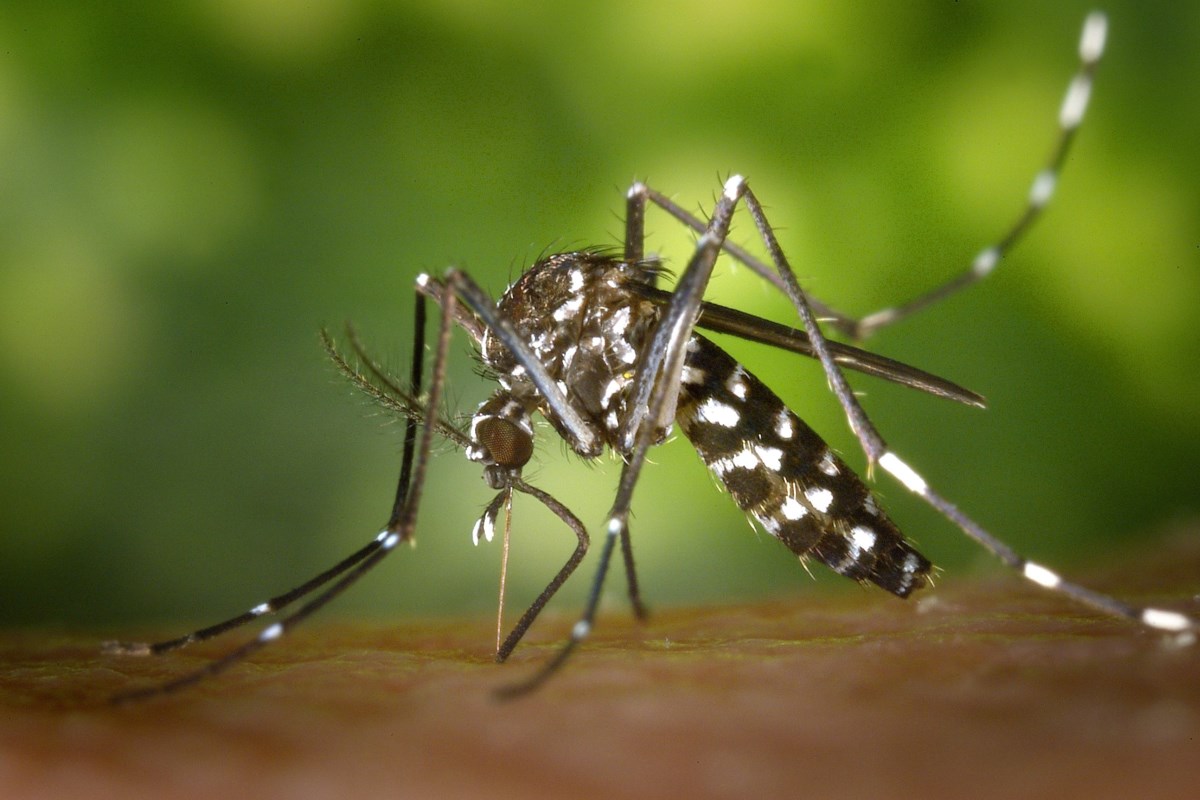
Mosquitoes can pass the infection on to birds and mammals through mosquito bites. The infection can also be passed on to humans just as easily, also through mosquito bites.
Public Health Sudbury and Districts (PHSD) said a previous infection was recorded, also through an infected bird, in July of this year. This newest case involved an infected American crow in the Greater Sudbury area.
The significance is that it is evidence that the disease is still present in the Sudbury area, said Jonathan Groulx, a manager with PHSD.
“The last person confirmed to have been infected with West Nile virus in our area was in 2023. However, this infected bird reminds us that although the overall risk of a person becoming sick with West Nile virus is low, the virus is still present,” said Groulx.
“Therefore, taking precautions to avoid mosquito bites and becoming infected with West Nile virus is important.”
Most people infected with the virus have no symptoms, but some people may experience mild symptoms including fever, headache, body aches, mild rash, and swollen lymph glands, said the health unit news release.
In very rare cases, the infection can affect the brain and cause severe illness.
Although the overall risk remains low, late summer is typically the time of greatest risk for contracting West Nile virus, said the release.
Mosquitoes can carry higher levels of the virus at this time of year, and this is also when people might not be as careful about protecting themselves from mosquito bites, said the health unit.
PHSD advises that simple measures can protect you and your family.
Reduce the risk around the home. Install or repair window screens. Some mosquitoes like to come indoors. Keep them outside by having well-fitting screens on all your windows and doors, said the release.
Remove standing water from around your home where mosquitoes might breed. Wear light-coloured, long-sleeved shirts, long pants, shoes, and socks when outside, especially from dusk to dawn, when mosquitoes are most active, said the health unit.
Use an approved insect repellent and be sure to follow the manufacturer’s recommendations.
Anyone with concerns about a dead bird can contact the Canadian Wildlife Health Cooperative at 1-866-673-4781 or report online using the tool at cwhc.wildlifesubmissions.org.
For more information about West Nile virus, please contact Public Health Sudbury & Districts at 705-522-9200 (toll-free 1-866-522-9200) or visit PHSD.ca said the release.
link