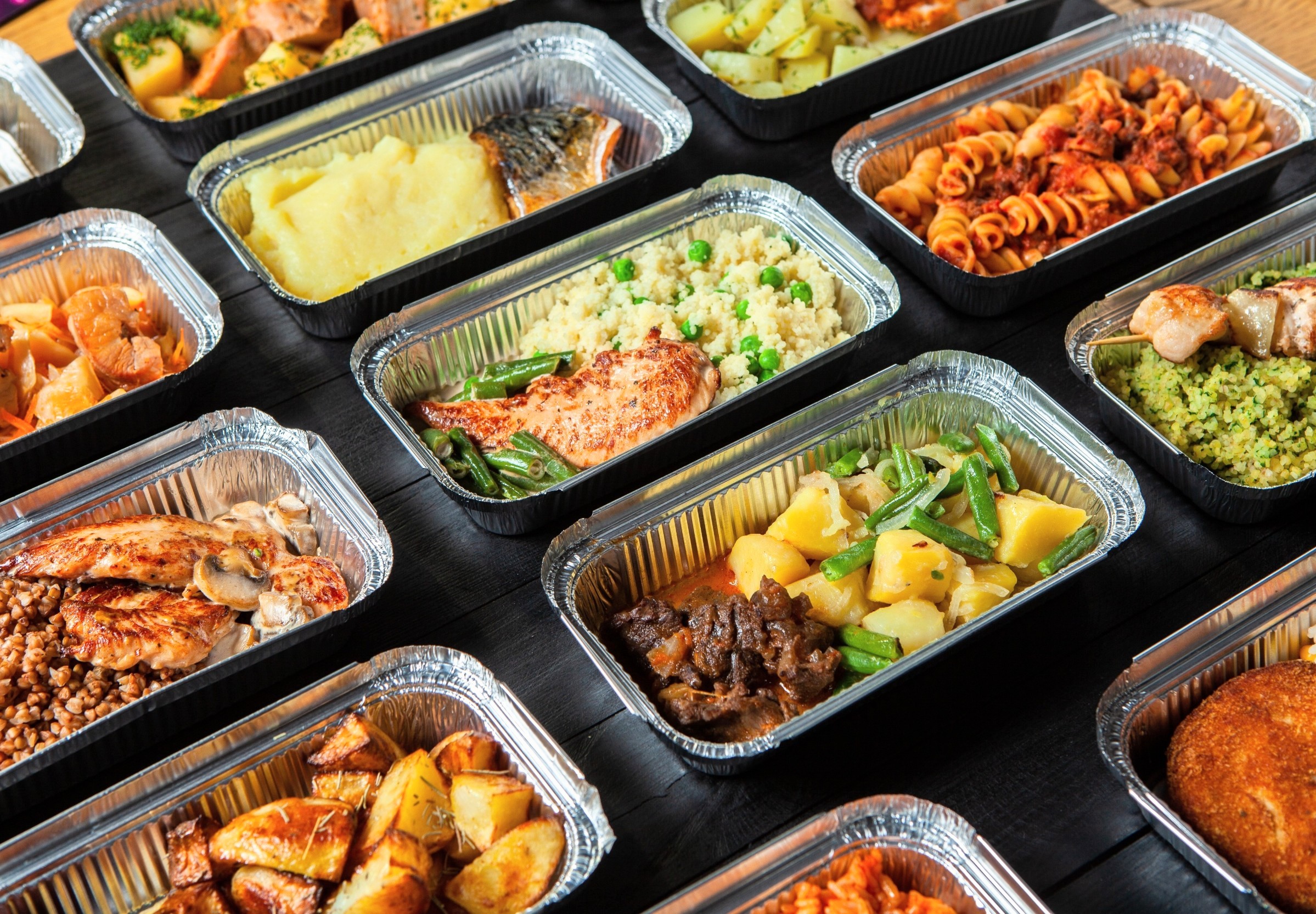
Packaged foods line grocery shelves and fill kitchen cabinets, offering convenience through long shelf lives. That durability depends on food preservatives, chemicals that slow spoilage, limit bacterial growth, and keep products looking fresh.
New research suggests that frequent consumption of some preservatives may slightly increase cancer risk.

The study was led by researchers from the NutriNet-Santé cohort in France, with support from various organizations including Université de Paris and the French National Cancer Institute.
The results show the increased risk appears small, and scientists say more research is still needed. Even so, the findings raise concerns about current food safety rules.
Tracking food preservatives and health
The study followed 105,260 participants aged 15 years and older, with an average age of 42. Women made up nearly four-fifths of the group, and none had a cancer diagnosis at enrollment.
Participants logged their diets using detailed 24-hour food records that included brand names, allowing researchers to track preservative exposure with unusual precision.
Health outcomes were monitored through medical records and national health databases through late 2023. This long-term, high-resolution tracking made it possible to estimate individual preservative intake across many years and link it to later health patterns.
Researchers focused on 17 food preservatives commonly used in processed foods, including potassium sorbate, sodium nitrite, potassium nitrate, sulfites, acetates, citric acid, lecithins, and erythorbates.
These additives fell into two broad categories: compounds that slow bacterial growth or chemical spoilage, and antioxidants that limit oxygen damage during storage.
Together, these preservatives appeared across a wide range of everyday foods, from breads and sauces to processed meats, beverages, baked goods, and ready-to-eat meals.
Which cancers appeared most
Over many years of observation, doctors found 4,226 new cancer cases among participants. Breast cancer appeared most often. Prostate cancer came next, followed by colorectal cancer.
Many other cancer types also occurred, and together those made up more than half of all cases. This shows that cancer outcomes in the study reflected a wide range of real-life diagnoses, not just one disease.
Researchers then looked at food preservatives in two ways. First, intake of all preservatives was combined into one group. When viewed like that, no increase in cancer risk appeared. Eating foods with preservatives in general did not show a clear link to cancer.
Next, researchers studied each preservative separately. Most individual preservatives still showed no connection with cancer risk.
However, a small number behaved differently. Certain preservatives showed higher cancer rates among people who consumed more of them.
These specific preservatives stood out from the rest, suggesting that risk may depend on the type of preservative rather than preservatives as a whole.
Which food preservatives stood out
Higher intake of potassium sorbate was linked to higher overall cancer risk and higher breast cancer risk. Sulfites and potassium metabisulfite were also linked to higher overall cancer risk.
Sodium nitrite showed a strong association with prostate cancer. Potassium nitrate was associated with higher overall cancer risk and breast cancer risk. Acetic acid and total acetates also showed links with cancer.
Among antioxidant preservatives, erythorbates showed associations with higher overall cancer incidence and higher breast cancer incidence. Many other antioxidants showed no effect.
How preservatives may affect cells
Laboratory research helps explain why some preservatives may affect cancer risk. Cell studies show potassium sorbate, sodium nitrite, sodium erythorbate, and sodium ascorbate can damage cells or change growth patterns.
Potassium sorbate may bind to blood proteins and promote formation of advanced glycation end products. Such compounds increase inflammation and oxidative stress.
Sodium acetate can stimulate growth of cancer cells and raise inflammatory signals like interleukins and tumor necrosis factors. Chronic inflammation creates conditions that support cancer development.
Nitrites and nitrates can convert inside the body into N-nitroso compounds. International cancer agencies classify such compounds as probably carcinogenic.
Meat-based foods increase formation of these compounds, while fruits and vegetables rich in vitamin C can reduce formation. Dose and food context appear to matter greatly.
Some preservatives may also alter gut bacteria. Changes in gut balance can weaken immune control and increase inflammation, both linked to cancer progression.
Weighing evidence and limits
Researchers caution against claiming direct causation. Observational studies cannot eliminate all hidden factors.
Still, long follow-up, repeated dietary records, and detailed brand-level data strengthen confidence in patterns observed.
“This study brings new insights for the future re-evaluation of the safety of these food additives by health agencies, considering the balance between benefit and risk for food preservation and cancer,” the authors note.
Making informed food choices
The researchers suggest using fewer preservatives in foods when possible. Eating fresh or less processed foods can lower how much of these chemicals people consume. Clear food labels and stronger safety rules can also help people choose better.
Preservatives still have benefits. Food lasts longer, costs less, and gets wasted less. Because of this, rules need balance rather than total removal.
Health experts already advise eating less processed meat and drinking less alcohol. These steps help reduce cancer risk even as research continues.
Scientists are still learning how food chemicals affect health over time. Paying attention to food choices and eating in moderation can help protect long-term health.
The study is published in the journal BMJ.
—–
Like what you read? Subscribe to our newsletter for engaging articles, exclusive content, and the latest updates.
Check us out on EarthSnap, a free app brought to you by Eric Ralls and Earth.com.
—–
link