
The Sexual and Reproductive Health Awareness Week started from Feb. 8 and will end on Feb. 14, with the major highlights being the importance of regular, open discussions about sexual and reproductive health as a key part of overall health and wellness and safe practices.
“This week gives us an opportunity to create awareness about the risks of contacting sexually transmitted and blood-born infections, how people can prevent contracting these infections and what they can do collectively to increase our testing numbers across the province,” said Dr. Nnamdi Ndubuka,a Medical Health Officer with the Northern Inter-Tribal Health Authority (NITHA). “It is really a vital time for us to talk about these sexually transmitted and blood-born infections.
Currently we are seeing quite a high number of HIV, Chlamydia, syphilis, Gonorrhea cases, we have one of the highest compared to other Provinces in Canada. These infections cuts across all ages and backgrounds, but the good news is that most are preventable, treatable and early diagnosis can save lives.”
Sexual and Reproductive Health Awareness Week serves as an opportunity to reduce stigma, promote informed decision-making, and reinforce the message that safe practices in sexual and reproductive health is an essential component of overall wellness.
“Stigma around STBBIs generally stops people from getting tested and treated, so we are using this opportunity during this week to shift towards that conversation and normalizing testing as normal as any other disease that requires to be tested,” Ndubuka said.
Routine and open conversations with trusted health care providers can help individuals feel supported and informed, make confident decisions, prevent illness, detect concerns early, and support both physical and mental health.
“Talking openly with a trusted health care provider about sexual and reproductive health is an important step in maintaining your overall wellbeing,” Mental Health and Addictions, Seniors and Rural and Remote Health Minister Lori Carr said. “When people feel comfortable asking questions, it helps reduce stigma, support prevention, early diagnosis and treatment, and contributes to stronger, healthier communities.”
Health care providers offer guidance on a wide range of sexual and reproductive health topics, including contraception, family planning, fertility, pregnancy, menopause, and sexually transmitted and blood-borne infections (STBBIs). Regular check-ins and routine discussions help ensure people are receiving the care they need.
There are working and functional support groups that include the NITHA HIV working groups, with representations from the PAGC, PBCN, Meadow Lake Tribal Council and the Lac La Ronge Indian Band and people can reach out to these groups to get sufficient service delivered to them.
Saskatchewan residents are encouraged to ask questions and raise concerns during medical appointments, seek accurate and evidence-based information from qualified health care providers, access recommended screenings and preventive services, and support open, respectful conversations about sexual and reproductive health within communities.
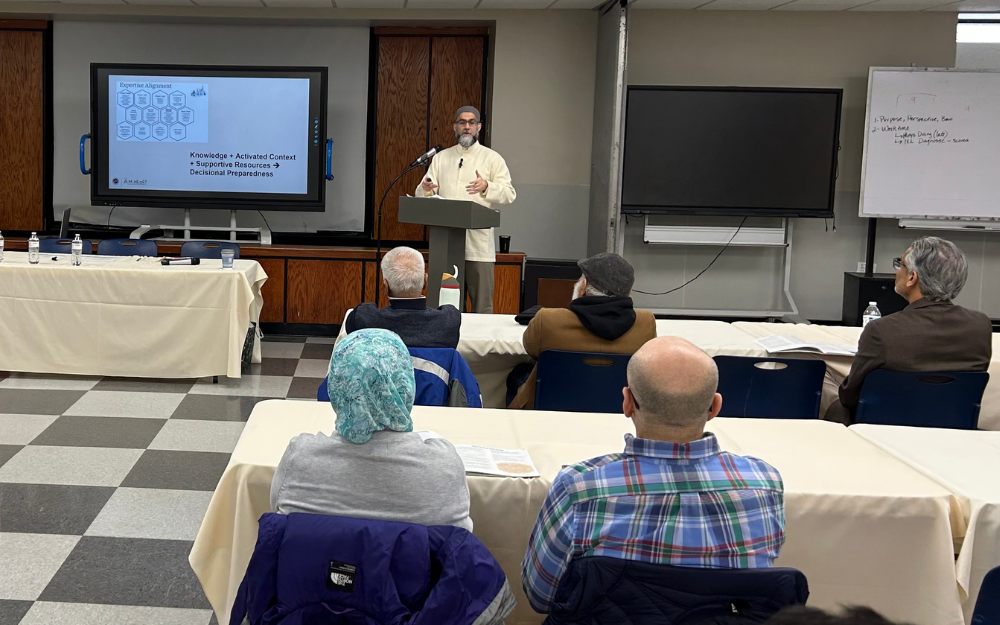
NITHA has consistently lined up activities that weaves around these issues such as quizzes through their various social media handles, meetings with health care workers, interaction with chiefs and council members, media interactions and posters/flyers sharing .
While there are challenges like stigma, access to clean needles in particular and generally health care services and others, the medical officer believes that testing and early detection is key to treating
He advised that individuals should know their status, use protection while engaging in sexual activities and also get tested. use of clean equipment and added “Protecting our sexual health protects our community, most STBBIs are curable and treatable when diagnose early, we really encourage screening and testing.”
For more information on sexual and reproductive health services in Saskatchewan, residents are encouraged to speak with a health care provider or visit Sexually Transmitted Infections Services points in their community.

link