
Over my four decades as a physician, I have learned that the ethics of care can completely transform a health system. It means recognizing that every act of care—whether directed toward a patient, a colleague or a resource—has a profound impact.
When care is genuinely centered on human well-being, two things happen: clinical quality improves and, paradoxically, costs go down. At the Fundación Cardiovascular de Colombia (FCV) and the Hospital Internacional de Colombia (HIC), we have embraced this approach, and the results speak for themselves. Our experience suggests that in health care, well-understood care is the most profitable investment any institution can make.
The Ethics of Care: The Foundation of a Sustainable Health System
To speak of the ethics of care is to highlight a principle as simple as it is transformative: placing people at the center of every health care decision. This approach rests on three inseparable commitments: caring for patients by ensuring their dignity, safety and support; caring for health care professionals by safeguarding their welfare, resilience and professional growth; and caring for resources and the environment by using them responsibly and with a long-term vision.
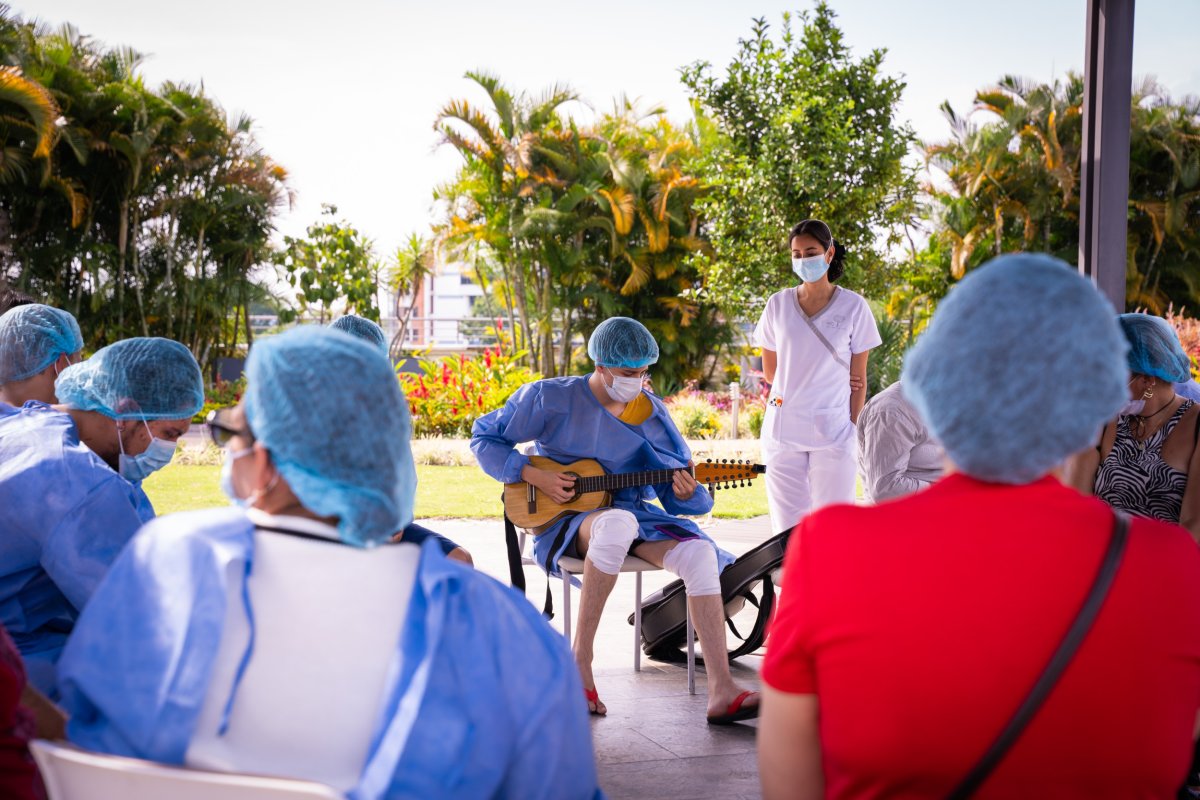
Hospital Internacional de Colombia – FCV
When these three dimensions are integrated, a virtuous circle emerges: healthier and more satisfied patients, motivated and committed teams and a rational use of resources that strengthens system sustainability. From this foundation arise the actions that generate lasting clinical value, human value and economic value.
Patient Support and Guidance
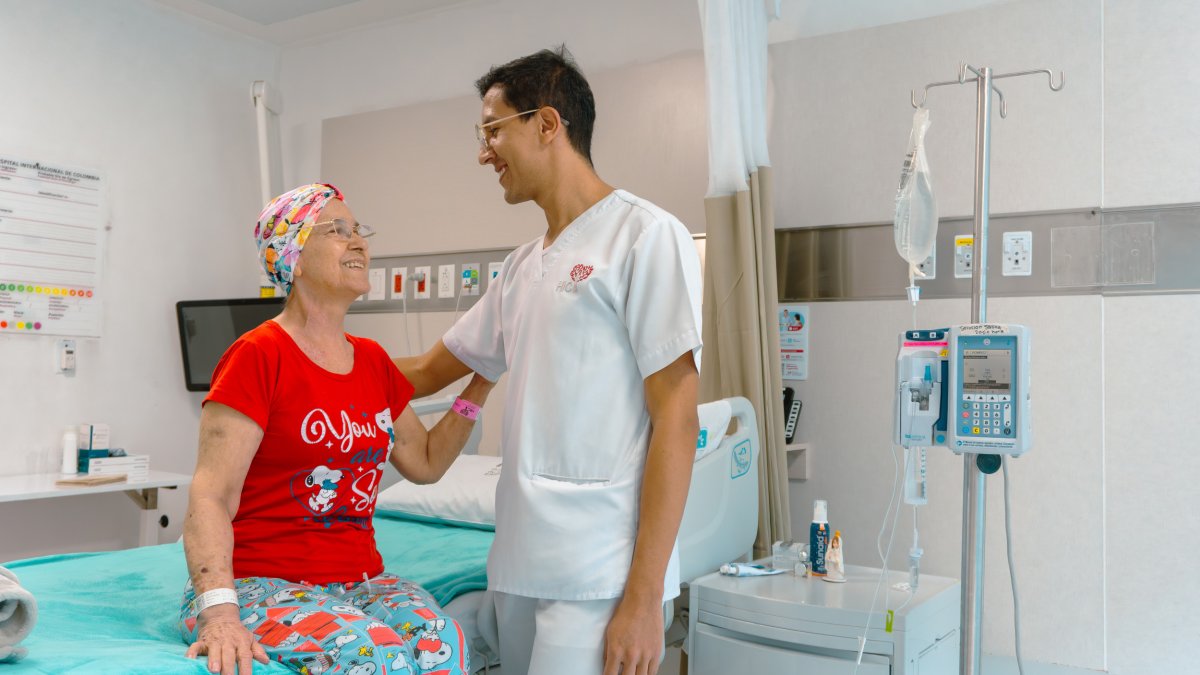
At HIC, we have found that accompanying the patient is one of the most fruitful investments a hospital can make. What do we mean by accompaniment? More than a service, it is a philosophy: walking alongside the patient, sharing the journey until they feel they have safely reached port. It is about being present from start to finish—not only to treat an illness but also to provide trust, education and emotional support throughout the care experience.
The benefits of this comprehensive accompaniment are tangible on multiple levels:
- Clinical value: An accompanied patient better understands their condition and treatment. This improves adherence to medical recommendations and reduces the likelihood of complications or relapses. Continuous support—provided by a coordinated network of professionals—translates into better health outcomes. For instance, close follow-up lowers hospital readmission rates and helps prevent adverse events.
- Human value: Accompaniment restores humanity to medicine. Patients feel heard and supported, not merely diagnosed. This reduces anxiety and suffering, while offering respect and dignity in vulnerable moments. The physician-patient relationship is strengthened, and ultimately this human support becomes an end in itself: it enhances patient experience and the perception of quality.
- Economic value: A well-guided patient is less likely to rely on costly emergency services, require prolonged hospitalizations or undergo additional treatments for avoidable complications. By implementing proactive support programs—such as post-discharge calls, caregiver education, and home visits when necessary—our institution has reduced indicators like early rehospitalization.
We consider accompaniment a cornerstone of our clinical model, convinced that every extra minute spent listening to and guiding a patient is an investment that yields well-being and long-term sustainability. This support is made possible by an interdisciplinary network—including clinical staff and a dedicated Patient Experience team that addresses administrative and logistical needs—that works together to ensure that patients never feel alone in their care journey.
Trust, Reputation and Measurable Results: The Fruits of a Human Model
When a health model is grounded in genuine care, trust flourishes. The most valuable trust is that of the patient: nothing reassures a sick person more than knowing they are in the hands of professionals truly committed to their well-being. This confidence translates into concrete actions: patients actively engage in their treatment, openly communicate their symptoms and rigorously follow medical instructions.
Over time, that individual trust evolves into institutional reputation. A hospital that genuinely cares builds strong ties with its community, and that credibility transcends borders. Colleagues in the sector, insurers and international organizations recognize that such institutions not only meet standards but often surpass them. Today, HIC is regarded as a Latin American benchmark in care- and value-centered health care models.
This combination of technical excellence and human warmth, in my experience, is the most solid formula for building and maintaining trust. Institutions with a culture of care achieve superior clinical indicators, including lower hospital infection rates, faster recoveries and fewer readmissions.
In our case, we continuously monitor outcomes and benchmark them against global standards. The conclusions are striking: safer procedures, higher survival rates and patients resuming their lives with fewer sequelae.
The HIC Case: Care and Value Driving Excellence
In recent years, HIC has implemented a Value-Based Medicine model—one that seeks to maximize patient outcomes relative to the resources used. The results validate this approach:
- International recognition in cost-effectiveness: Thanks to its clinical and management outcomes, HIC was the only Spanish-speaking institution honored at the 2023 Value-Based Health Care (VBHC) awards in the Netherlands. It won first place in the Cost-Effectiveness category for its myocardial infarction program, which combines high quality with efficient use of resources. Sponsored by the European Center for Value-Based Health Care, the award evaluated 115 initiatives from 27 countries and highlighted HIC for innovating in favor of sustainability.
- Centers of excellence and certified quality: Our hospital hosts centers of excellence in critical areas such as acute myocardial infarction, heart failure and transplants. Since 2009, when it became a pioneer in Colombia and the ninth hospital in Latin America to receive Joint Commission International (JCI) accreditation, HIC has renewed this recognition six times, most recently in April 2025.
- Integration of technology and artificial intelligence: Our hospital has established itself as a smart digital hospital by incorporating AI into its consult rooms (SAHISmart, with voice recognition for documenting consultations), diagnostic support, risk monitoring and the use of voice assistants in operating rooms to log clinical times and keep families informed in real time. These tools streamline processes, free up physicians’ time and allow them to focus on what matters most: the doctor-patient relationship.
Ultimately, all innovation only makes sense if it strengthens what is essential: human care. Each center is composed of a multidisciplinary team—physicians, nurses, psychologists, nutritionists and rehabilitation specialists—working in a coordinated, patient-centered manner to ensure that no need goes unmet, while enhancing both outcomes and the overall care experience.
We have proven that compassion and efficiency can—and must—coexist. As Professor Michael Porter, whose framework underpins VBHC, has explained, the goal is “to deliver the highest quality to patients at costs the system can sustain, while continuously measuring outcomes to remain efficient and ensure sustainability.”
Caring for the Health Care Team: The Invisible Pillar of Sustainability
A fundamental lesson we have learned is that patients cannot be well cared for unless health care professionals are cared for too. Physicians, nurses, technicians and support staff together form the backbone of the system.
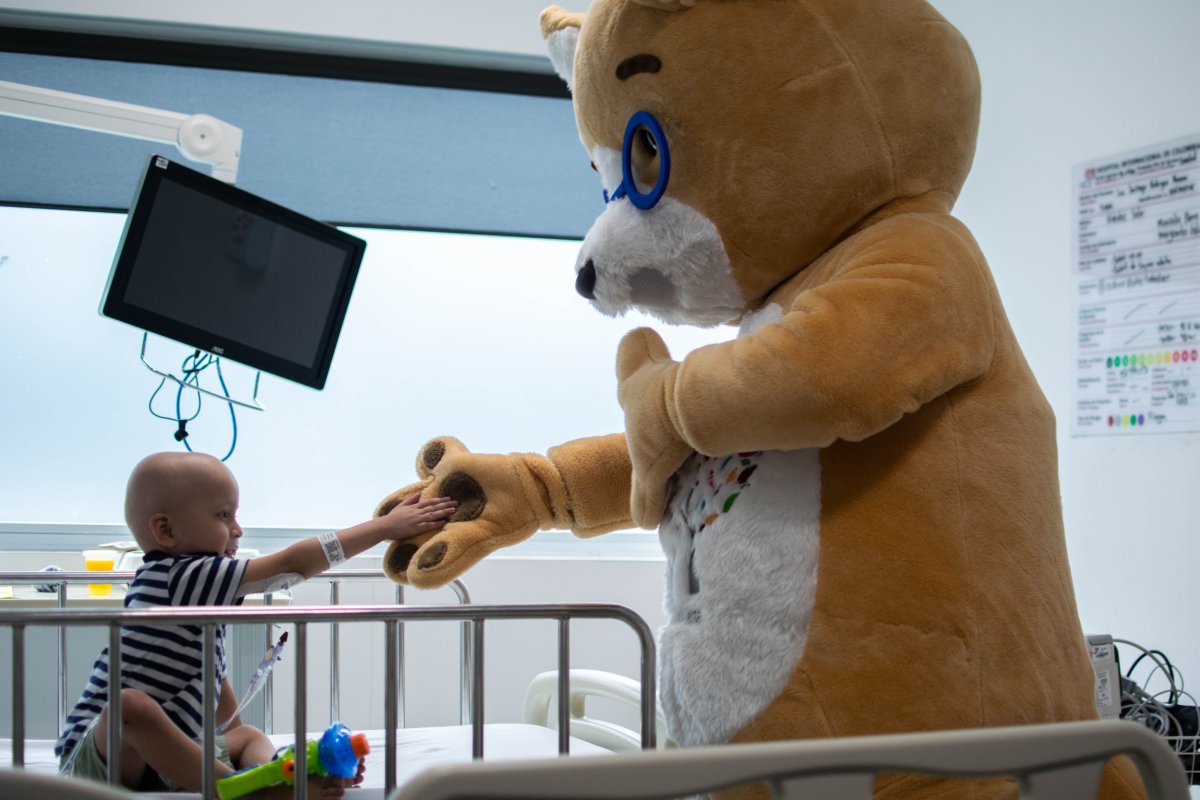
Hospital Internacional de Colombia
At HIC, this has meant two major commitments. On one hand, we actively promote professional and personal development, offering continuous education, training in new technologies and protocols and opportunities for career growth within the organization. On the other, we address emotional well-being and workplace climate, with initiatives such as psychological support spaces, team-building activities, public recognition of staff achievements and flexible scheduling in critical areas.
A sustainable health system is one in which everyone feels cared for: the resident physician working through the night, the nurse who monitors and comforts, the orderly who transports patients and the administrator who listens to an anxious family member. When staff feel supported by their institution, they pass on that sense of security and empathy in every interaction with patients.
A Global Leap: HIC–Mayo Clinic Collaboration to Strengthen Care
In June 2025, HIC achieved a historic milestone by becoming the first medical center in Colombia and all of South America to join the Mayo Clinic Care Network, composed of institutions rigorously selected for their excellence.
Mayo Clinic, recognized as one of the world’s leading hospitals, thoroughly evaluated our clinical and administrative practices, quality indicators, patient safety protocols and most importantly, our person-centered model.
Hospital Internacional de Colombia
What does this partnership mean in practice? Essentially, it is like having a direct window into the most advanced medical knowledge worldwide, right inside our hospital. HIC physicians now have access to tools such as AskMayoExpert, a platform with protocols and recommendations for hundreds of conditions, and eBoards, videoconferences where our specialists can discuss complex cases with Mayo Clinic experts.
We will also benefit from direct guidance in standardizing evidence-based protocols, comprehensive reviews of key clinical areas—already underway in breast cancer care—and continuous medical education opportunities for our staff.
Crucially, patients will continue to receive care locally, from their own HIC doctors, but now with Mayo’s support when needed. If a complex diagnostic or therapeutic question arises, we can obtain a second opinion from world-leading specialists—at no extra cost to the patient and without delays. This knowledge-sharing model strengthens care by giving patients peace of mind, boosting confidence in our local teams and preventing unnecessary transfers and expenses.
The objectives are clear: to enhance our capacity in critical areas such as oncology and cardiology, further elevate the quality of care and consolidate a culture of continuous learning for our professionals.
Caring Is Transforming: A Call to Action
Faced with the challenges confronting today’s health systems—limited budgets, aging populations, increasingly costly technologies—solutions often lean toward either purely technocratic fixes or financial cuts. Our experience shows that the most effective and sustainable path is to return to the essential: the ethics of care.
Great changes begin with a clear vision and are sustained with discipline, but they only endure when placed in the service of others. We have proven that caring strengthens the system—making it more solid, more reliable and more humane. Ultimately, the ethics of care is not only a moral principle but also a strategy for achieving truly sustainable and meaningful health care. Humanization and efficiency are not opposites: when combined, they multiply the value of care.
This achievement sends a powerful message to other hospitals in the region: it is indeed possible to aspire to the highest standards from Latin America—provided we work with vision and discipline, and by keeping people at the center of every decision.
Dr. Victor Raúl Castillo Mantilla is a member of the Newsweek CEO Circle, an invite-only executive community of subscribers.
link